If you are thinking about buying a rental in Grandview Heights, the big question is not whether people want to live there. It is whether the numbers, rules, and long-term strategy fit the kind of investor you want to be. In a small, high-demand market like this one, a good opportunity can look very different from a high-cash-flow deal. This guide will help you understand where Grandview Heights stands today, what small-scale investors should watch closely, and how to decide if it fits your goals. Let’s dive in.
Why Grandview Heights Gets Investor Attention
Grandview Heights is a compact city with just 8,647 residents across about 1.3 square miles, according to Census Reporter. That creates a dense, limited housing market where supply matters. The same source shows 4,238 housing units and 4,035 households, which points to a relatively small pool of available homes and rentals.
For a small-scale investor, that limited inventory can be appealing. When a market has tight supply and stable occupancy, well-located properties may hold value better over time. It also means each purchase decision matters more because you do not have endless replacement options if you miss the mark.
Market Basics for Investors
Grandview Heights looks more like a premium, long-hold market than a bargain-entry market. Census Reporter shows a median household income of $117,672, bachelor’s degree attainment of 81.8%, and a median gross rent of $1,750. The area also has a 56.5% owner-occupied housing rate, which supports a mixed owner and renter base.
Stability stands out here too. QuickFacts data reported through Census Reporter show that 87.7% of residents lived in the same house one year ago. That kind of consistency can support steadier occupancy, especially if your property is well maintained and priced appropriately.
Rental Demand Looks Tight
As of April 2026, Apartments.com rent trend data reported average rent of $1,761 in Grandview Heights. That same source listed studios at $1,419, one-bedrooms at $1,761, two-bedrooms at $2,423, and three-bedrooms at $3,035. Most listed rents were above $2,000, which suggests the local renter base is often shopping for convenience, condition, and location rather than just the lowest monthly payment.
Point-in-time listing volume can be very thin. On April 15, 2026, Zillow’s rental market page showed just one active rental in Grandview Heights. That is not a full vacancy measure, but it does reinforce the idea that available listings may be limited and local averages can shift quickly when only a few units are on the market.
This Is Probably Not a Pure Cash-Flow Play
If your goal is strong monthly yield right out of the gate, Grandview Heights may feel tight. Redfin’s housing market data reported a median sale price of $459,000 in March 2026, while rent data from Apartments.com showed one- and two-bedroom averages of $1,761 and $2,423. Based on those sale and rent levels, this market appears better suited to appreciation, preservation, and resale strength than to chasing high cap rates.
That does not mean the market is a poor investment. It means your strategy needs to match the market. Investors who do best here are often the ones who value quality locations, stable tenants, and long-term ownership over quick cash flow.
Zoning Matters More Here
Grandview Heights is not limited to one residential format. The city code includes RS-1 single-family districts, RS-2 single-family districts that can allow two-family dwellings as a conditional use, RD double or two-family districts, RA apartment districts, and RPU planned unit districts that can include several housing types. You can review these categories in the Grandview Heights zoning code.
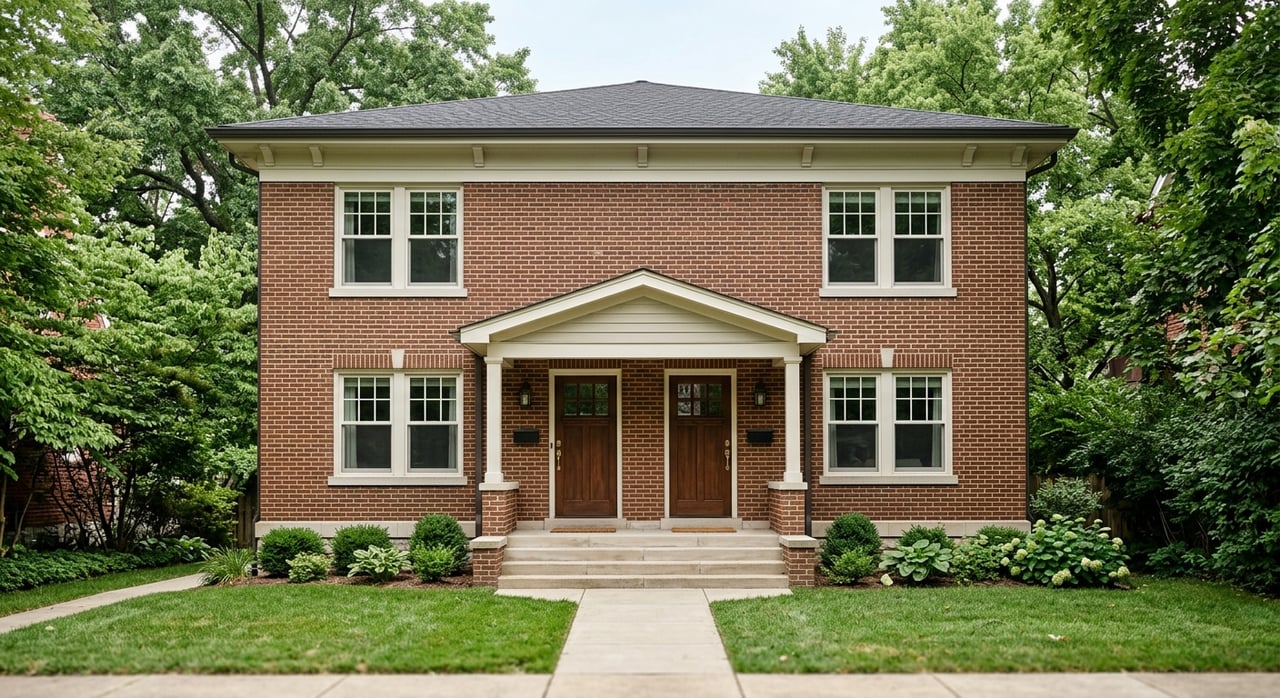
For small-scale investors, that flexibility can be useful. It means duplex, townhouse, and small multi-unit opportunities may exist depending on the parcel and district. But it also means you need to confirm the exact zoning, permitted uses, and any conditional approvals before you buy.
Short-Term Rental Flexibility Is Limited
If you are hoping to run an Airbnb-style property, Grandview Heights may not be the easiest fit. The city code states that several residential districts restrict short-term rentals of less than 30 consecutive days unless the unit is occupied by the occupants during the rental period. You can review that language in the city code provisions on short-term rentals.
That makes Grandview Heights a better match for traditional leasing than for short-term rental investing. If you prefer a predictable, long-term tenant model, that may not be a drawback. If you want maximum rental flexibility, it is a real limitation to weigh upfront.
City Review Can Add Complexity
Grandview Heights says residential projects are reviewed against the Community Plan, Design Guidelines, and Zoning Code, and many projects move through Board of Zoning Appeals or Aesthetic Review. The city also notes off-street parking requirements and rules around the construction and location of required parking spaces on its Community Development page.
For investors, that means improvements are not always simple. A straightforward cosmetic update may be one thing, but additions, conversions, parking changes, or use changes can require more diligence. In a small, built-out city, entitlement and design considerations can affect both your budget and timeline.
Tenant Profile May Favor Quality Owners
Grandview Heights appears to attract a relatively stable and affluent renter base. Census Reporter shows high household income, strong educational attainment, and a modest move rate, all of which suggest many renters may prioritize well-kept homes, responsive management, and convenience.
That can work in your favor if you plan to operate professionally. Clean condition, smart maintenance, and clear communication may matter as much here as squeezing every last dollar out of the asking rent. In other words, this is a market where execution can help protect occupancy.
Property Management Support Already Exists
If you want a more hands-off ownership experience, there is a practical advantage here. Apartments.com market information shows multiple large operators already active in the Grandview Heights apartment market. That suggests leasing and maintenance support are established services in the area.
For an accidental landlord or a buyer with a small portfolio, that matters. It means you may not have to build every process from scratch, especially if you want help with leasing, maintenance coordination, or ongoing oversight.
Resale Support Is a Strength
One reason Grandview Heights stands out is resale liquidity. Redfin reported a 98.7% sale-to-list ratio, median days on market of 35, and 20% of homes selling above list in March 2026. Only 10 homes sold that month, which shows how small the market is, but the data still point to meaningful buyer demand.
QuickFacts data cited through Census Reporter also report a median value of owner-occupied housing units of $583,300. For small-scale investors, that supports the case for Grandview Heights as a value-protection market where exit options may be stronger than in many lower-priced areas.
Flood Risk Needs Parcel-Level Review
There is one caution you should not ignore. Redfin’s market page, citing First Street, estimates severe flood risk for 35% of properties in Grandview Heights and says 810 properties could be severely affected over the next 30 years. That does not mean every property has the same exposure, but it does mean risk varies meaningfully by parcel.
Before you buy, check parcel-specific flood maps and get insurance quotes early. A property that looks fine on paper can become less attractive once carrying costs and risk factors are fully priced in. This step is especially important if you are comparing multiple blocks or property types.
Who Grandview Heights Fits Best
Grandview Heights may be a good fit if you are looking for:
- A compact, in-demand location with limited housing supply
- Long-term rental potential rather than short-term rental use
- Stronger resale support than many lower-priced markets
- A tenant base that may value condition and convenience
- A market where professional management and careful ownership can pay off
It may be a weaker fit if you are looking for:
- Low entry prices
- Simple, high-yield cash flow
- Minimal zoning or review considerations
- Flexible short-term rental rules
Final Take on Investor Fit
So, is Grandview Heights a good fit for small-scale investors? For the right buyer, yes. The market appears best suited for investors who want a long-hold asset in a stable, premium location and who are comfortable doing careful due diligence on zoning, parking, city review, and flood exposure.
If you are looking for a quick, low-cost rental with easy short-term rental options, this probably is not your market. But if you want a well-located property in a small, supply-constrained city with solid resale support, Grandview Heights deserves a close look. If you want help evaluating a purchase, rental strategy, or management plan in Central Ohio, connect with Greg Giessler.
FAQs
Is Grandview Heights, Ohio a good place for rental property investing?
- Grandview Heights can be a solid choice for small-scale investors who want long-term demand, limited supply, and strong resale support, but it appears less attractive for buyers focused mainly on high monthly cash flow.
Are short-term rentals allowed in Grandview Heights?
- Several residential districts restrict rentals of less than 30 consecutive days unless the unit is occupied by the occupants during the rental period, so traditional long-term leasing is generally a better fit.
What types of investment properties exist in Grandview Heights?
- The city includes zoning districts for single-family homes, two-family dwellings, apartments, and some planned unit developments, so opportunities may include more than just detached homes depending on the parcel.
How strong is the Grandview Heights rental market?
- Available data suggest a tight rental environment, with Apartments.com reporting average rent of $1,761 in April 2026 and Zillow showing very thin point-in-time active rental inventory.
What should investors check before buying in Grandview Heights?
- You should verify zoning, permitted use, parking requirements, possible city review, current rent potential, and parcel-specific flood risk before moving forward.
Does Grandview Heights work for first-time landlords?
- It can, especially if you are comfortable with a long-term strategy and want a stable market, but the pricing, local rules, and due diligence needs may make professional guidance especially valuable.