If you want a neighborhood where architecture, daily convenience, and green space all work together, Bexley stands out. You are not just looking at houses here. You are stepping into a place where early-20th-century homes, tree-lined streets, local destinations, and parks shape how everyday life feels. If you are curious about what makes Bexley so distinctive, this guide will help you understand the appeal and what to watch for as a buyer or homeowner. Let’s dive in.
Why Bexley Feels Different
Bexley is a compact first-ring suburb of Columbus with more than 14,000 residents and about 4,000 households in roughly 2.5 square miles, according to the City of Bexley. That smaller footprint matters because it helps create the close-together pattern of homes, parks, cultural spots, and local businesses that many buyers want.
The city traces its roots to 1908, when Bullitt Park and Pleasant Ridge combined to form Bexley. The city also points to its historic neighborhoods, Capital University, and walkable Main Street setting as core parts of its identity. In practical terms, that means Bexley feels established, layered, and designed for street-level living rather than long drives between daily stops.
Historic Homes Shape Bexley’s Identity
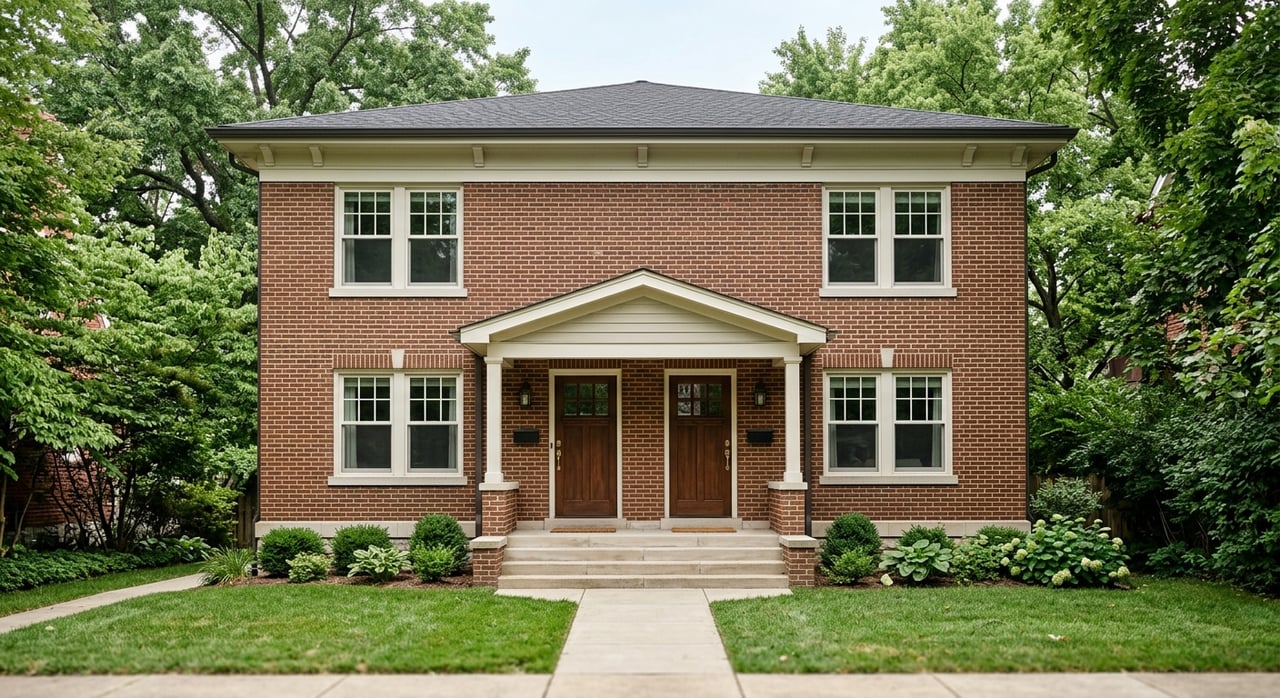
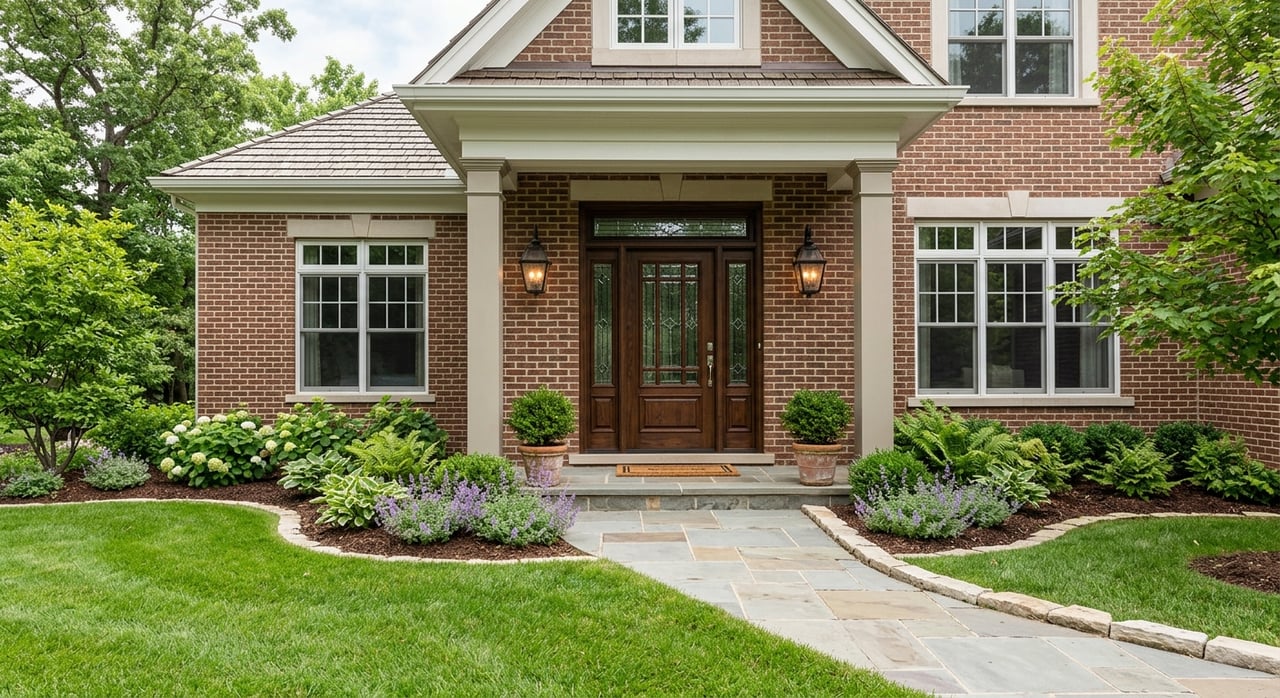
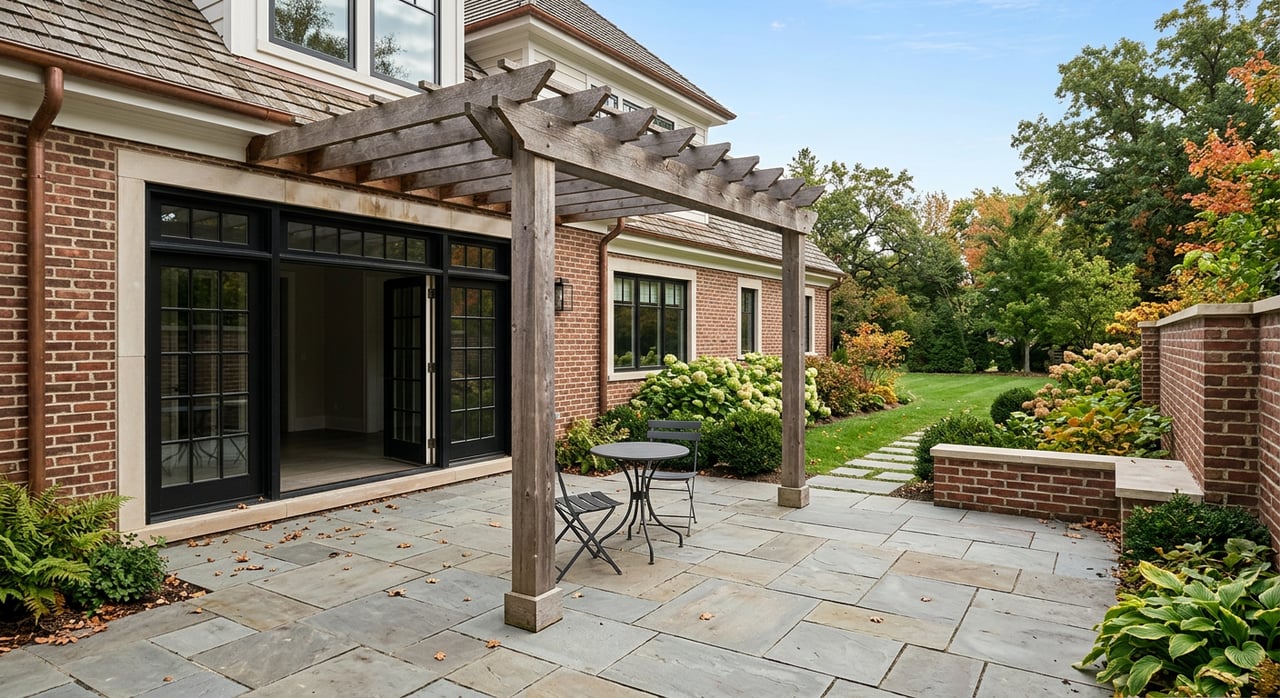
Bexley’s housing stock is one of its biggest draws. The city’s Residential Design Guidelines describe Bexley as an architectural treasure and note that much of its housing is already more than 100 years old.
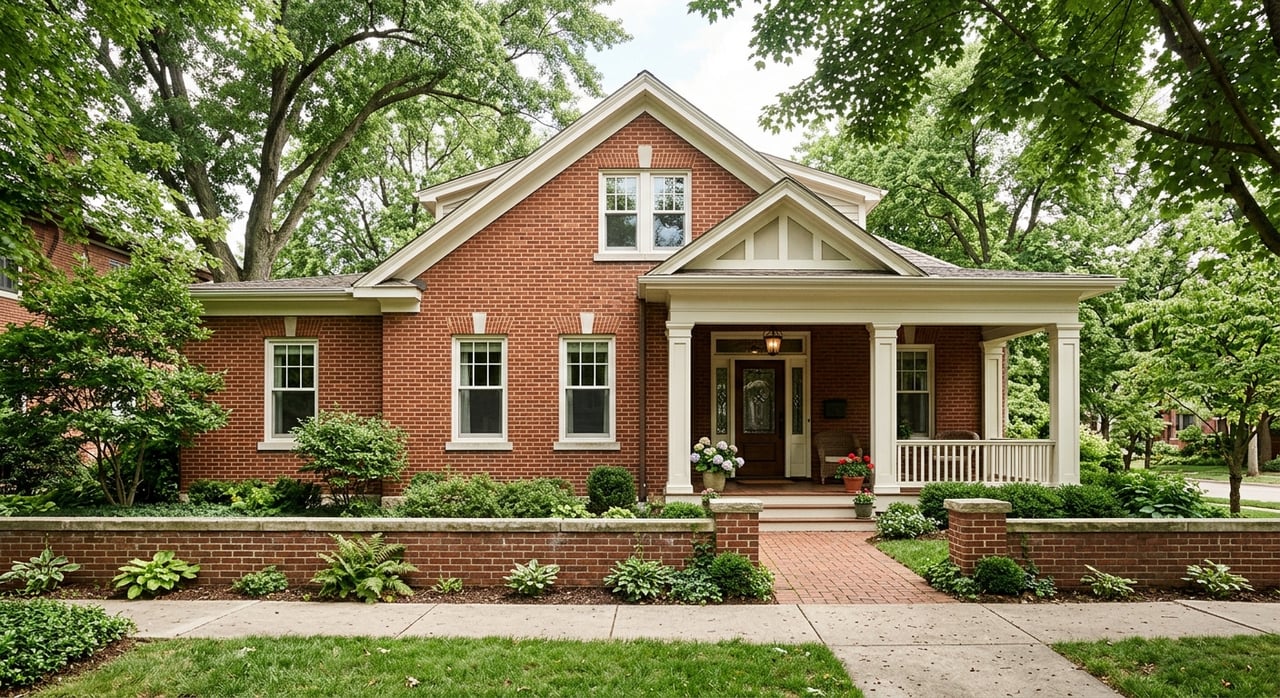
You will also notice quickly that Bexley is not a one-style market. The Broad Street hill includes early-1900s Tudor, French Normandy, and Classical Revival homes, while other streets feature Dutch Colonial, Spanish and French influences, cottage-style homes, Cape Cod houses, and modernist properties. That range gives buyers more variety than you might expect in a historic suburb.
The city’s House & Garden Tour highlights that same mix, describing homes from classic Tudors to Mid-Century Modern designs along Bexley’s signature tree-lined streets. So while the area has a strong historic character, it does not feel visually repetitive.
Common Styles You May See
As you walk or drive through Bexley, a few architectural details tend to stand out:
- Colonial Revival homes often feature symmetrical facades, prominent entries, columns, fanlights, sidelights, and traditional window patterns, as outlined by the National Park Service
- Craftsman bungalows usually have front porches, shallow-pitched gable roofs, and a lower, wider profile
- Dutch Colonial homes are commonly identified by their gambrel roofs
- Tudor and French-inspired homes often add steeper rooflines, masonry details, and a more storybook appearance
These details matter because they help you understand what gives Bexley homes their curb appeal and why preservation tends to be part of ownership here.
Century Homes Are Part of Daily Life
In some communities, a historic home is the exception. In Bexley, it is part of the broader streetscape. The Bexley Public Library’s Century Home Marker Project honors homes built in 1925 or earlier, and the latest update notes that more than 250 markers have already been awarded across the city.
That tells you something important about the market. Bexley’s historic character is not limited to one block or a handful of landmark properties. It is woven into the neighborhood fabric, which can be a major draw if you value original architecture, established streets, and a sense of continuity.
Walkable Living in Real Terms
Walkability means different things in different places. In Bexley, it is less about a dense downtown skyline and more about having useful, enjoyable destinations close enough together to support a neighborhood routine.
The city’s development department describes Bexley as a classic, walkable Main Street retail environment. It also notes that Bexley has three distinct business districts, which supports a more connected, neighborhood-scale pattern of errands and outings.
On and around East Main Street, the city lists destinations such as the Bexley Public Library, Drexel Theatre, local bookstore, coffee shops, restaurants, and neighborhood retail and service businesses. For many buyers, that kind of mix is what turns walkability from a buzzword into a real lifestyle benefit.
What Walkable Living Can Look Like
In Bexley, a walkable day might include:
- Grabbing coffee or a meal along Main Street
- Stopping by the library
- Catching a movie at the Drexel Theatre
- Browsing a local bookstore
- Walking through a neighborhood lined with mature trees and historic homes
The Walk Along Main Street self-guided tour from the library adds more context, marking 11 historically significant sites including the Drexel Theatre, Capital University, and the library itself. That blend of local history and daily convenience is a big part of Bexley’s appeal.
Trees and Streetscapes Matter Here
Bexley’s tree canopy is not just background scenery. It is part of how the city looks and feels at the street level.
According to the city’s forestry program, Bexley manages more than 14,000 street trees and became the first U.S. city accredited as an arboretum in 2013. That is a meaningful distinction because it shows how seriously the city treats its public landscape.
For you as a buyer or homeowner, this translates into shaded streets, established curb appeal, and a greener setting that supports the historic character of the housing stock. In Bexley, the streetscape is part of the value proposition.
Parks Add Everyday Flexibility
Walkable living is even stronger when green space is part of the routine. Bexley offers that balance, especially through Jeffrey Park, one of the city’s standout public spaces.
The city says Jeffrey Park spans nearly 40 acres and includes more than a mile of walking paths, wooded trails, a boardwalk along Alum Creek, the community pool, the Bexley Historical Society, and Jeffrey Mansion. Other local parks, including Commonwealth Park, Havenwood Park, and Schneider Park, add more passive green space and neighborhood connections.
This matters because Bexley’s appeal is not just about beautiful houses. It is also about having places nearby where you can walk, recharge, and enjoy the setting without leaving town.
Cultural Anchors Keep Bexley Active
A neighborhood feels more livable when it offers more than residential streets. Bexley benefits from several cultural and institutional anchors that support everyday life and community activity.
The city’s entertainment guide highlights the Bexley Public Library, Drexel Theatre, Schumacher Gallery at Capital University, and nearby Franklin Park Conservatory. Together, these destinations help make the area feel active and well-rounded rather than purely residential.
For buyers considering a move, this kind of local access can shape how connected you feel to a place after the closing date. It is one thing to admire a home. It is another to enjoy the neighborhood around it week after week.
What Buyers Should Know About Ownership
Owning a historic or architecturally distinctive home often comes with extra responsibility. In Bexley, that is especially important to understand before you buy.
The city’s Building and Zoning Department says many exterior projects require design review and permits. Additions, porch enclosures, demolitions, and new single-family homes require Architectural Review Board approval, and even work involving roofs, siding, windows, garages, and porches can trigger review.
That does not need to be a deal breaker. It simply means you should go into the process with clear expectations. If you love historic homes, preservation review is often part of protecting the very character that drew you to the neighborhood in the first place.
Helpful Research Tools for Homeowners
If you are researching a property’s background, the Bexley Public Library points homeowners to several useful resources:
- Franklin County Auditor
- Franklin County Recorder
- Sanborn Fire Insurance Maps
These tools can help you better understand a home’s history, which can be especially useful if you are considering updates or want more context before making an offer.
Why Bexley Appeals to So Many Buyers
At a high level, Bexley stands out because three elements overlap in a way that feels hard to replicate. The city combines a large concentration of early-20th-century architecture, a mature tree canopy that shapes the streetscape, and a Main Street corridor where errands, dining, culture, and parks are close enough to feel connected.
That combination creates a neighborhood experience that is easy to appreciate in person. You can admire a Tudor or Dutch Colonial, walk to a local destination, and spend time in a park without feeling like those are separate parts of town. In Bexley, they work together.
If you are considering a move to Bexley or want help evaluating how its historic homes and walkable setting fit your goals, Greg Giessler can help you navigate the process with steady, local guidance.
FAQs
What makes Bexley, Ohio attractive for historic-home buyers?
- Bexley offers a wide range of older architectural styles, including Tudor, French Normandy, Classical Revival, Dutch Colonial, cottage, Cape Cod, and modernist homes, with much of the housing stock already more than 100 years old.
What does walkable living in Bexley, Ohio actually include?
- Walkable living in Bexley can include access to East Main Street destinations such as the public library, Drexel Theatre, local bookstore, coffee shops, restaurants, and neighborhood services, along with nearby parks and cultural sites.
Are there many century homes in Bexley, Ohio?
- Yes. The Bexley Public Library’s Century Home Marker Project honors homes built in 1925 or earlier, and more than 250 markers have been awarded across the city.
What parks support walkable living in Bexley, Ohio?
- Jeffrey Park is a major draw with nearly 40 acres, walking paths, wooded trails, a boardwalk along Alum Creek, Jeffrey Mansion, and other amenities, while Commonwealth Park, Havenwood Park, and Schneider Park add more green space.
What should homeowners know before renovating a home in Bexley, Ohio?
- Many exterior projects in Bexley require permits and design review, and some work must go before the Architectural Review Board, so buyers should understand approval requirements before planning changes.